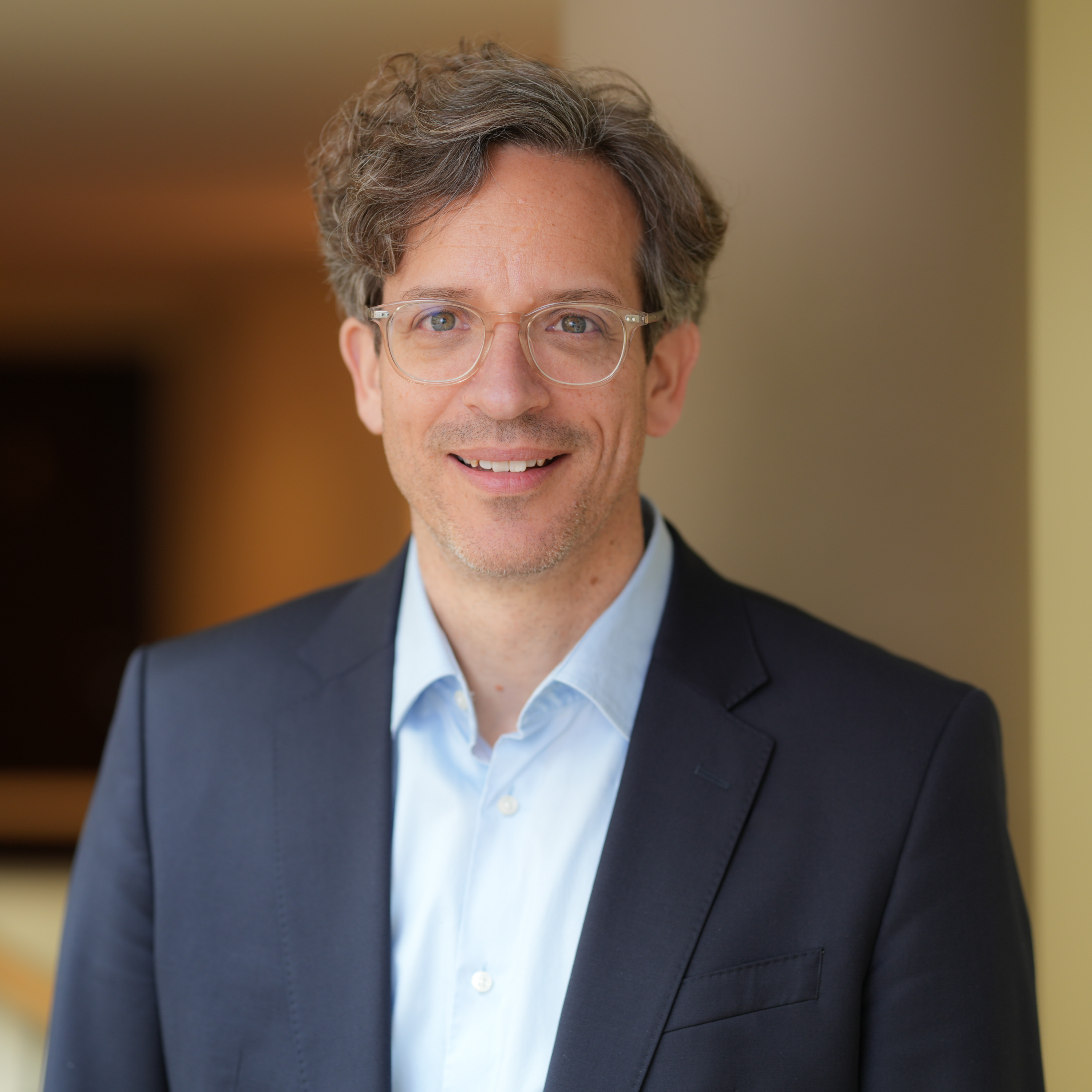
Mannheim Investment Club (MIC) Podcast
Dr. Marc Lakner - Partner & Managing Director DACH bei Kearney (#44)
6 Nov · 44 min
Key points
- Kearney, a $2bn challenger to McKinsey, wants AI to help double its Europe business.
- Kearney's DACH head Marc Lakner reports solid growth and good profitability since taking over in 2023.
- Kearney warns German carmaker margins could fall from 5.5 percent to as much as minus 2.9 percent by 2030.
Kearney's Lakner on why German industry cannot implement fast enough
Kearney is a $2bn challenger to the big consulting factories, owned by its 429 partners and about an eighth of McKinsey's size, and its edge is connecting strategy to execution on the shop floor. Lakner, who runs the DACH region, argues that German industry has capital, engineers, dual education and strong companies but not the speed to implement, which is why carmakers face margins near zero by 2030. The firm is betting on AI that shows up in the P&L.
Takeaways
- Kearney competes on precision rather than scale. Kearney is about $2bn in size, owned by 429 partners under One Partner One Vote and roughly an eighth of McKinsey's revenue. Lakner compares it to Puma, a factor of eight smaller than Adidas yet no less profitable, and says it can afford to do many things differently.
- Germany's bottleneck is implementation speed. Kearney's study with the Institut der deutschen Wirtschaft improved Germany's transformation grade from 4.4 to 3.5. Lakner calls the improvement slight and says companies have understood they must act, so the problem is now the speed of implementation.
- AI must be measurable in the P&L. Kearney requires AI work to show up in the P&L. It builds tools for purchasing spend, contract analysis, negotiation, sales and pricing, runs its own Scout, bought Optano in 2022 and the designer Teams, and wants AI to help double its Europe business.
- Carmaker margins are heading toward zero. Kearney's assessments rank automotive and energy last, behind sectors such as pharma and banks. Lakner calls the forecast that carmaker margins fall from 5.5 percent to as much as minus 2.9 percent by 2030 a warning, and says the direction is clear.
- Machines cannot fix broken processes. Kearney's Fabrik des Jahres competition has run 36 years and shows the best factories pair leadership with consistent execution. The most expensive mistake is buying expensive machines to repair bad processes, since digitalised waste remains waste.
- Robustness now outranks cost in supply chains. His 2023 book argues supply chains must be robust rather than cheap, and he cites the war in Ukraine, challenges with Iran and dark clouds over China and Taiwan as reasons companies need geopolitically viable solutions.
Lakner's route to Kearney
- Industrial engineering at KIT, from a family of technicians with no academic background, and an Abitur taken later at a Wirtschaftsgymnasium.
- In summer 1999, aged 23, he applied at a trade fair in Mannheim and was with a client in Zurich four days later in a borrowed suit.
- He chose Kearney over a German conglomerate and Deutsche Bank for its young, collaborative teams, and became a partner in 2015 after a first promotion that took three years rather than two.