Key points
- Insurer-funded IBHS runs a South Carolina lab that builds houses to destroy in simulated hurricanes and wildfires.
- IBHS raised $40m after Katrina and Witch Creek, and a fortified test house survived 2010 winds at under 5% extra cost.
- Alabama's fortified-roof program has over 50,000 homeowners strengthening roofs that held in Hurricane Sally, but California IBHS-compliant homeowners still face premium hikes.
The Insurance Lab That Destroys Houses to Cut Risk
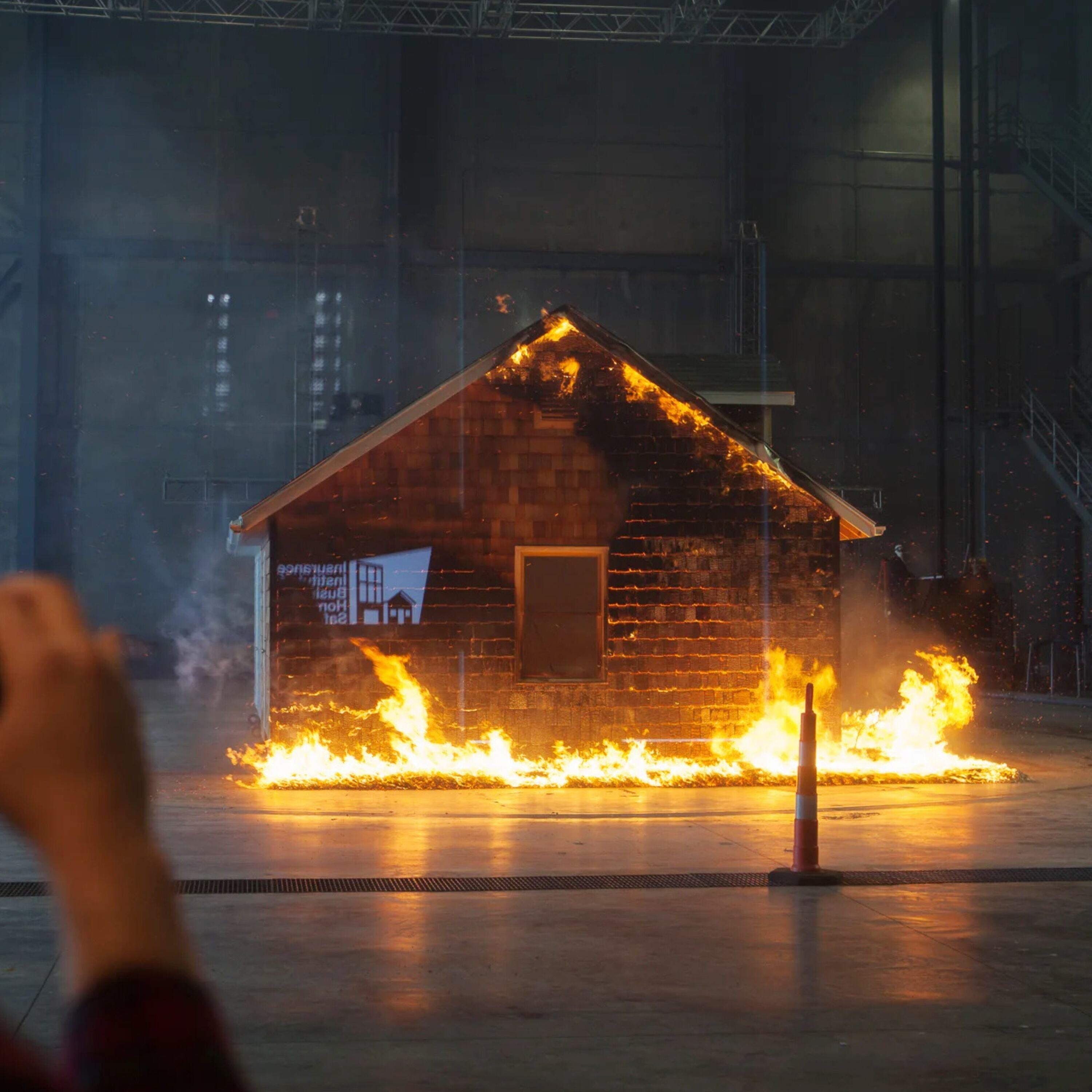
Property casualty insurers, facing mega catastrophes, fund IBHS, a nonprofit lab in South Carolina that destroys buildings to find cheap ways to make homes survive hurricanes and wildfire. The research lets insurers price risk, pushes building codes and gives homeowners evidence that fortified construction works. But the lab cannot solve the insurance crisis alone, because wildfire defense is collective and losses keep rising.
Takeaways
- Insurers fund a lab that destroys buildings. IBHS, a nonprofit research and trade group paid for by property casualty insurers, builds houses and decks in rural South Carolina and subjects them to hurricane wind and wildfire. The goal is to find affordable ways to reduce losses.
- Fortified homes cost little and survive storms. In the first 2010 demonstration, an unfortified two story house blew out of the chamber while a fortified version survived at less than 5% extra construction cost. Alabama grants and mandated discounts led over 50,000 homeowners to fortify roofs, which held up in Hurricane Sally.
- Hail research is changing roof decisions. Hail losses climbed after 2008 from under a billion dollars a year toward tens of billions. Insurers can now evaluate coverage decisions by shingle type, and builders and homeowners have more information about whether fancier shingles are worth it for lower insurance and repair costs.
- Wildfire standards help but premiums still soar. Burning bush experiments produced the five foot defensible space standard now written into California codes. IBHS also recommends metal fences and offers a Wildfire Prepared certification, yet some California homeowners who follow the standards face premium increases of almost 1,000% or lose coverage.
- Physical risk is only part of insurance crisis. Ann Cope says IBHS supplies the science while others handle the economics. Wildfire spread is a collective action problem because unhardened neighbors still threaten hardened homes, and climate change has made billion dollar disasters a monthly occurrence.
- Insurance research has shaped safety for a century. Underwriters Laboratories tested wiring and appliances and put its UL mark on products that passed. Insurers denied coverage for uncertified wiring and helped persuade Sears to stock approved electronics. Crash test research later pushed carmakers to redesign headrests and airbags.
How insurers funded the lab
- Julie Rochman, an insurance veteran who became IBHS's CEO, had to raise $40m to build the destruction lab.
- She pitched hurricanes to Florida insurers, then wind and hail to insurers in Colorado.