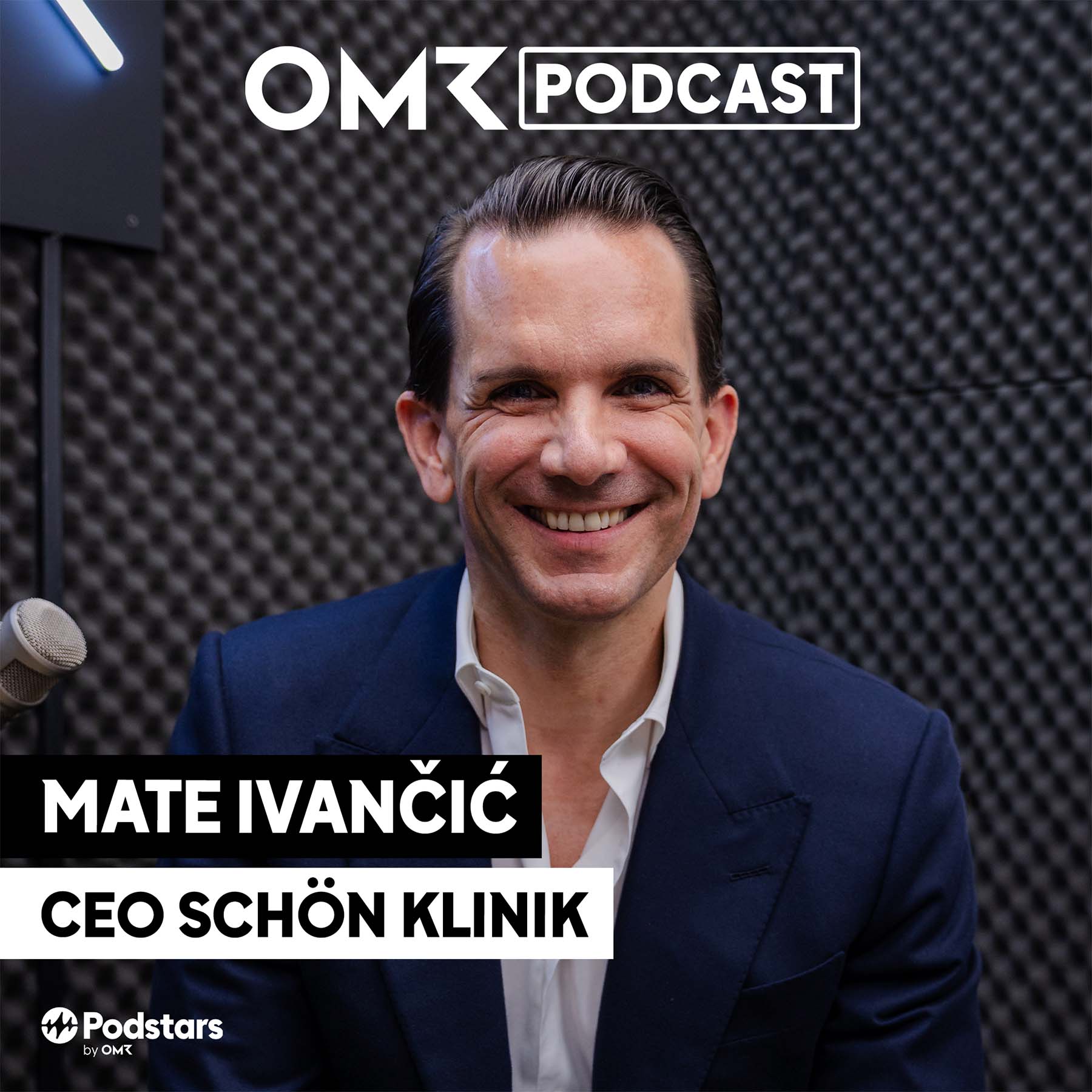
Key points
- Schön-Klinik CEO Mate Ivančić says his group runs at roughly 10 percent margins while German hospitals average 0 to 1 percent.
- Schön-Klinik plans to launch Schön Health, a prevention offering that reads wearable data and monitors patients for a monthly fee.
- Schön-Klinik revenue rose from just over €800m in 2019 to €1.4bn, with €2bn described as desirable, driven mainly by acquisitions.
A hospital group that makes money where others break even
Schön-Klinik is a family-owned German hospital group earning about 10 percent margins in a sector where the average is close to zero, mostly by running acquired hospitals with lean administration and cheap purchasing. Mate Ivančić expects the reform restricting rarely performed procedures to close a few hundred German hospitals. His answer to an ageing, chronically ill population is subscription monitoring built on wearable data and AI tools built in-house.
Takeaways
- Schön-Klinik earns 10 percent margins. Schön-Klinik runs about 10 percent margins while the German hospital average sits at 0 to 1 percent. Ivančić credits cheaper purchasing and electricity bought at the Leipzig exchange. Administrative costs run about a third of those at municipal and confessional hospitals.
- Growth comes from buying distressed hospitals. Organic growth in hospitals is limited, so Schön-Klinik buys, including the insolvent district-owned clinic in Rendsburg. Revenue rose from just over €800m in 2019 to €1.4bn, with €2bn described as desirable.
- Germany has too many hospitals. Ivančić argues the market is oversupplied and Germany could do with a few hundred fewer hospitals, a cut the reform restricting rarely performed services will deliver. He defends emergency care as the essence of medicine and says hip and knee operations are no longer lucrative.
- Schön Health sells subscription monitoring. Schön Health reads data from wearables including Whoop and Oura Ring and sells medical monitoring for a monthly fee to longevity customers and chronically ill patients. Ivančić decided against whole-body MRI check-ups for healthy people.
- AI is the only answer to ageing patients. As the average age rises, the coming wave of chronically ill patients outstrips what the system can staff. Ivančić says AI tools are the only solution available, and he codes applications himself with his executives once a week.
- Family ownership keeps decisions fast. Schön-Klinik bought out minority shareholder Carlyle and plans to stay in family ownership, borrowing on the international debt market. Ivančić says the relationship between management and shareholders is lean, and years of meeting budgets gave credibility for reasonable terms.
- Big health reform will not happen. Ivančić is sceptical that major reform happens, rejects a single citizens' insurance and expects more out-of-pocket payments. He says linking the retirement age to life expectancy is known to be necessary but not majority-capable. He might consider becoming health minister in five to ten years.
From surgeon to hospital group CEO