Startup Insider
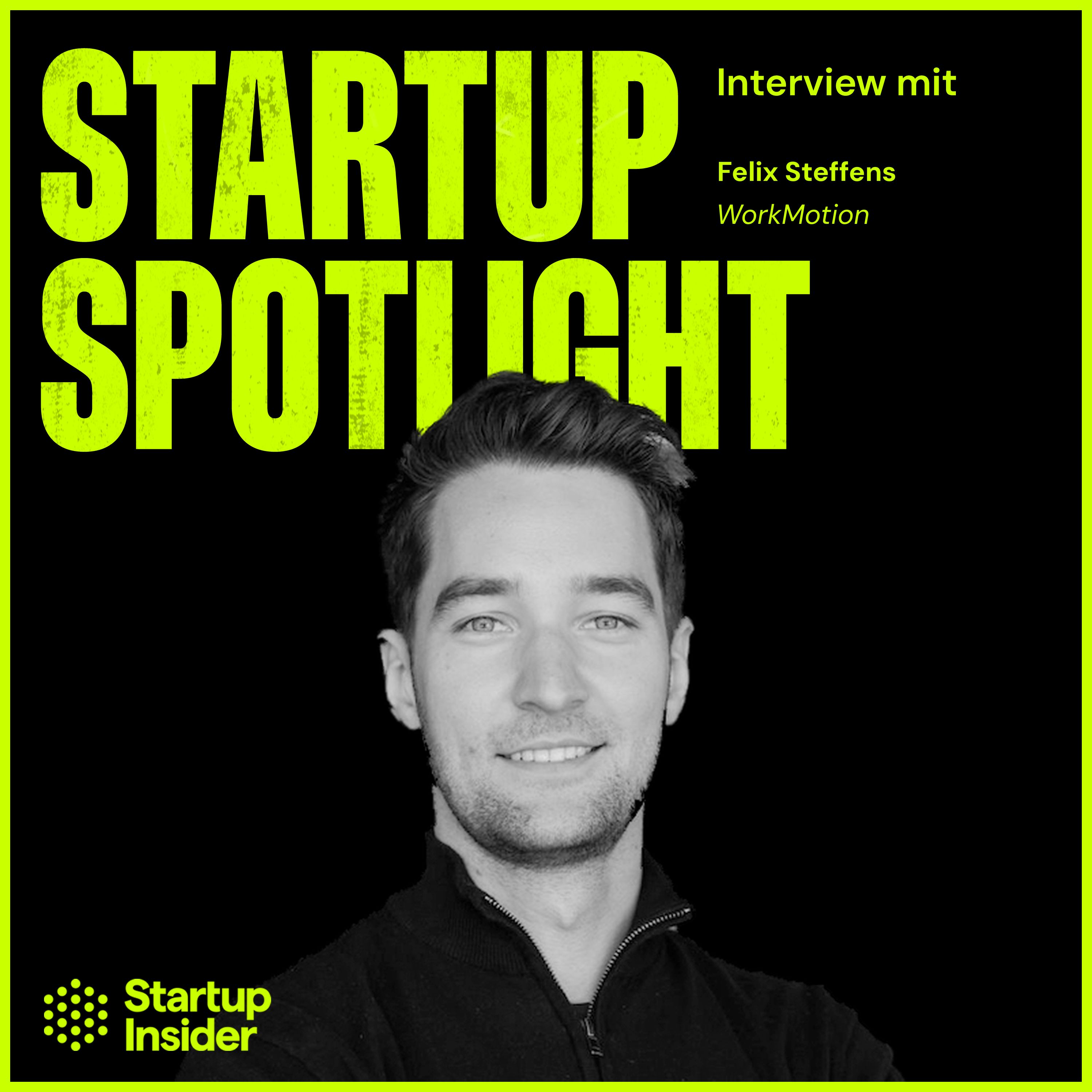
„Die besten Companies werden gekauft“: WorkMotion-Exit an Upwork – Felix Steffens (WorkMotion)
6 Nov · 31 min
Key points
- Lifted, Upwork-Tochter, kauft Workmotion, um nach Ascen für USA und Kanada einen globalen Employer-of-Record-Anbieter zu bekommen.
- Workmotion bleibt als unabhängige deutsche GmbH ohne Stellenabbau, und das Management ist per Earn-out für drei bis vier Jahre gebunden.
- Nach Hyperwachstum und Funding-Einbruch 2022 setzt Workmotion auf Profitabilität und fokussierte Arbeit, was den Exit ermöglicht.
Upwork's Lifted buys WorkMotion to add global EOR
WorkMotion built the unglamorous plumbing for hiring abroad, owning local entities in about 38 countries so clients could employ people compliantly. When the 2022 funding crash hit its startup customers, it chose profitability over growth and survived. That discipline made it attractive to Upwork's Lifted, which needed a global employer-of-record provider to complement Ascen. The deal keeps WorkMotion independent and gives it an enterprise channel it never had.
Takeaways
- Upwork's Lifted buys WorkMotion for global EOR. Lifted, Upwork's enterprise subsidiary for contingent workforce, had bought Ascen for the US and Canada and needed a global employer-of-record provider. Upwork has 18m freelancers and has raised about $320m.
- WorkMotion stays independent, no layoffs or integration. Lifted bought 100 percent of shares, but WorkMotion remains an independent German GmbH with no cost synergies and no job cuts. Management has a three-to-four-year earn-out, with a similar program for employees.
- WorkMotion employs abroad via 38 local entities. The employer-of-record model hires people abroad legally through WorkMotion's own local country entities, roughly 38 of them. Building that infrastructure cost about 40m euros, and the company raised around 77m dollars.
- Compliance is WorkMotion's competitive edge. Deel and Remote are strong competitors in a crowded employer-of-record market. Steffens says WorkMotion competes on compliance rather than price and focuses on Europe and German-speaking markets. Spending big to enter the US or Asia would have been wrong.
- AI will make people productive, not replace them. Steffens rejects the idea that AI will do the work while people stay home. He expects people to use AI to produce much more and become significantly more productive. The business is cyclical, tied to whether clients hire or fire.
WorkMotion's path to the sale
- Founded in 2020 during the pandemic, WorkMotion grew from three cofounders to 300 employees in two and a half years as employer-of-record demand boomed.
- When funding for its mostly young tech clients dried up in mid-2022, WorkMotion chose focus and profitability over growth on borrowed money.
- The pivot worked. Good numbers brought inbound acquisition offers, but the first ones were ignored because a sale was not planned.
- Lifted stood out from the start and WorkMotion engaged. Lifted had already bought Ascen for the US and Canada and needed a global EOR.
- Steffens says the best companies are bought rather than sold, and advises founders to keep working cleanly.